We are administering the seasonal flu vaccine. Please call for appointments. Walk-Ins welcome!


Get Healthy!
- Posted March 20, 2026
Heart Benefits From GLP-1 Drugs Fade After Stopping, Study Finds
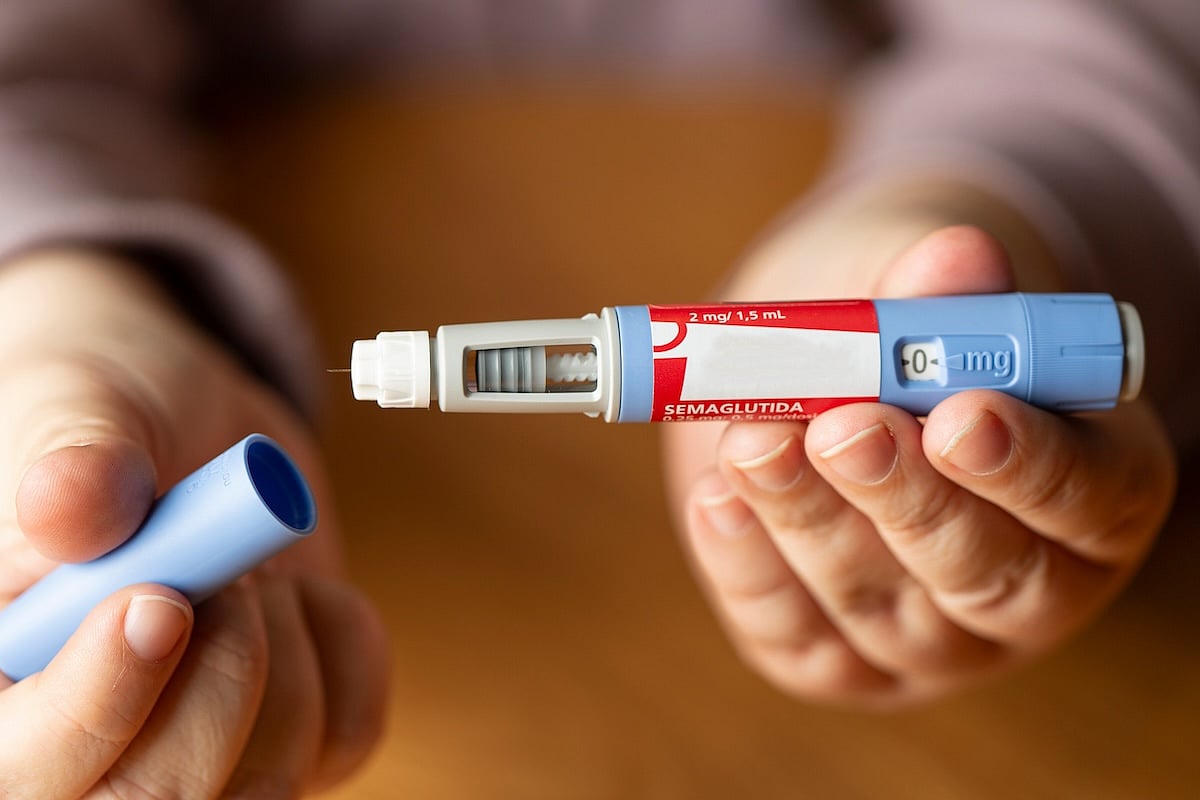
Drugs like Ozempic and Mounjaro are known to lower the risk of heart attack and stroke, but a new study suggests those benefits may not last if people stop taking them.
Researchers found that heart risks begin to rise again within six months after stopping GLP-1 medications, and much of the benefit may be gone within about 18 months.
"It takes a whole lot longer to build or accrue benefit, and then half as much to erase all that benefit," study author Dr. Ziyad Al-Aly, a clinical epidemiologist at Washington University in St. Louis, told CNN.
“For example, what took three years to build — three years of the cardiovascular benefit — was actually erased or undone with just one and a half years of stopping," he added.
The study — published March 18 in BMJ Medicine — reviewed medical records from more than 333,000 people with type 2 diabetes treated through the Veterans Health Administration.
Researchers compared about 132,000 patients who took GLP-1 drugs with more than 201,000 who used older diabetes drugs called sulfonylureas.
The GLP-1 group included people taking medications such as semaglutide (Ozempic), tirzepatide (Mounjaro), and older drugs like liraglutide (Victoza) and dulaglutide (Trulicity).
People who stayed on GLP-1 drugs for about three years had the biggest benefit. Their risk of heart attack, stroke or death was about 18% lower than those taking other medications.
Researchers also tracked what happened when people stopped taking GLP-1 drugs. Compared to those who stayed on treatment, their:
Heart risk rose 4% after 6 months
It increased 14% after 1 year
Heart risk climbed 22% after 2 years
By that point, the earlier heart benefits were nearly gone.
The researchers described the effect as "metabolic whiplash," where the body quickly loses the gains made during treatment.
Doctors say GLP-1 drugs help the heart in several ways. Many people lose weight on them, which lowers inflammation. But the drugs may also act directly on the heart.
Another large 2023 study, called SELECT, found a similar effect, showing about a 20% drop in heart events in people taking semaglutide.
Dr. Melanie Jay, an obesity expert at NYU Langone in New York City, said “it means there’s weight dependent and weight independent effects on the heart."
About half of people who start GLP-1 drugs stop within a year, often due to side effects like nausea or because of the cost.
“This is something you likely need for a longer, long period of time, chronic basis,” Al-Aly said.
He added that insurance coverage can be a barrier, especially for folks who lose coverage after reaching their weight loss goals.
“Stopping has consequences to the heart,” Al-Aly said. “Insurers need to realize that, you know, when they deny these things that actually exposing people to unnecessary risk.”
More information
The Minneapolis Heart Institute Foundation has more on how GLP-1 medications impact the heart.
SOURCE: CNN, March 18, 2026


